Short answer: Prioritize usable hose reach, attachments, filtration, cleanup, and power access over one suction number.
Start with the use case
You are comparing handheld, cordless, canister, and wet-dry vacuums for a real vehicle and storage space. Start with the job you actually repeat, the conditions in which it happens, and the cleanup that follows. A specification matters only when it changes that workflow.
Compare the criteria that change ownership
- Choose a form factor that can reach footwells, cargo areas, seat rails, and the far side of the vehicle.
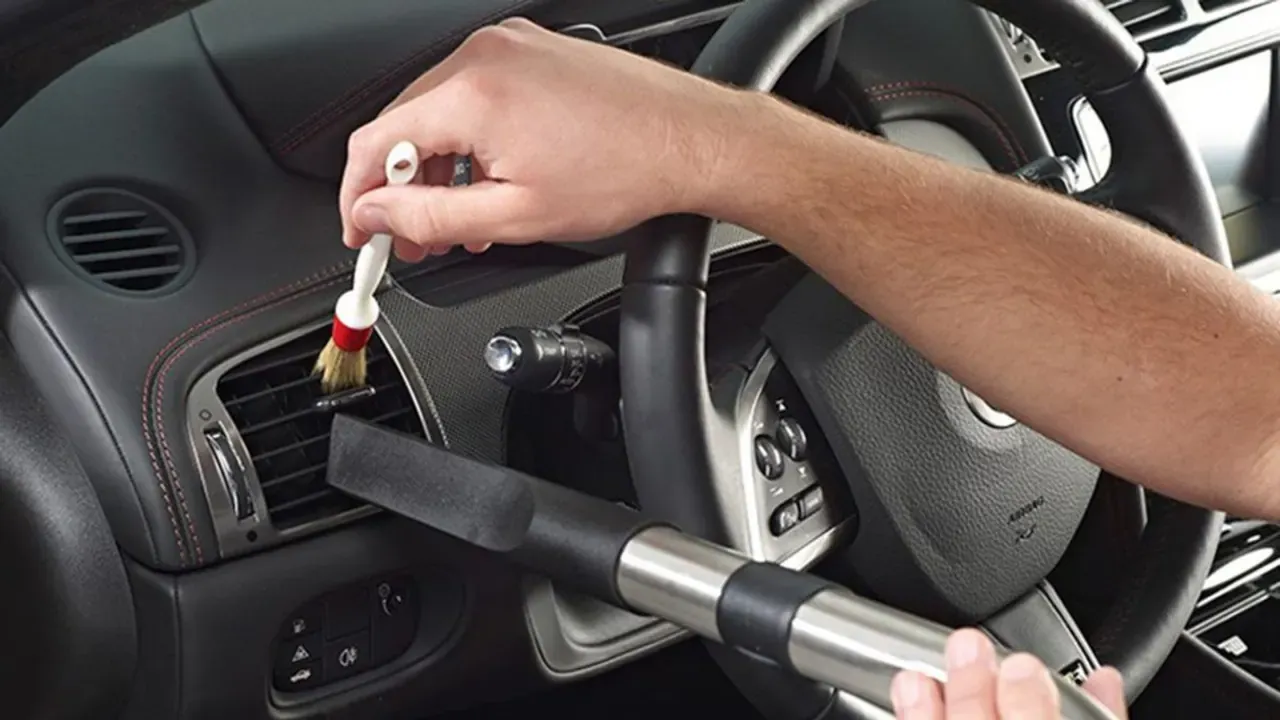
- Compare hose flexibility, crevice tools, brush quality, and how attachments stay organized.
- Decide whether wet pickup is a real requirement or an added cleanup burden.
- Review filter availability, dust disposal, noise, cord or battery limits, and storage.
- Treat published suction values cautiously unless the test conditions are comparable.
Questions to settle before paying
A larger tank is not automatically more useful in a vehicle. Long hose reach, a stable crevice tool, and an easy-to-clean filter usually affect interior work more often than headline motor claims.
- Can the seller or installer identify the exact product, instructions, and written coverage?
- Does the option fit the access, storage, maintenance, and cleanup available at home?
- Is the added capability needed often enough to justify the complete cost rather than only the purchase price?
The decision in context
Prioritize usable hose reach, attachments, filtration, cleanup, and power access over one suction number.
Sources and verification
Last verified: August 3, 2026. These sources frame the decision points for best vacuum type for car detailing; vehicle-specific instructions and product labels take precedence where they apply.