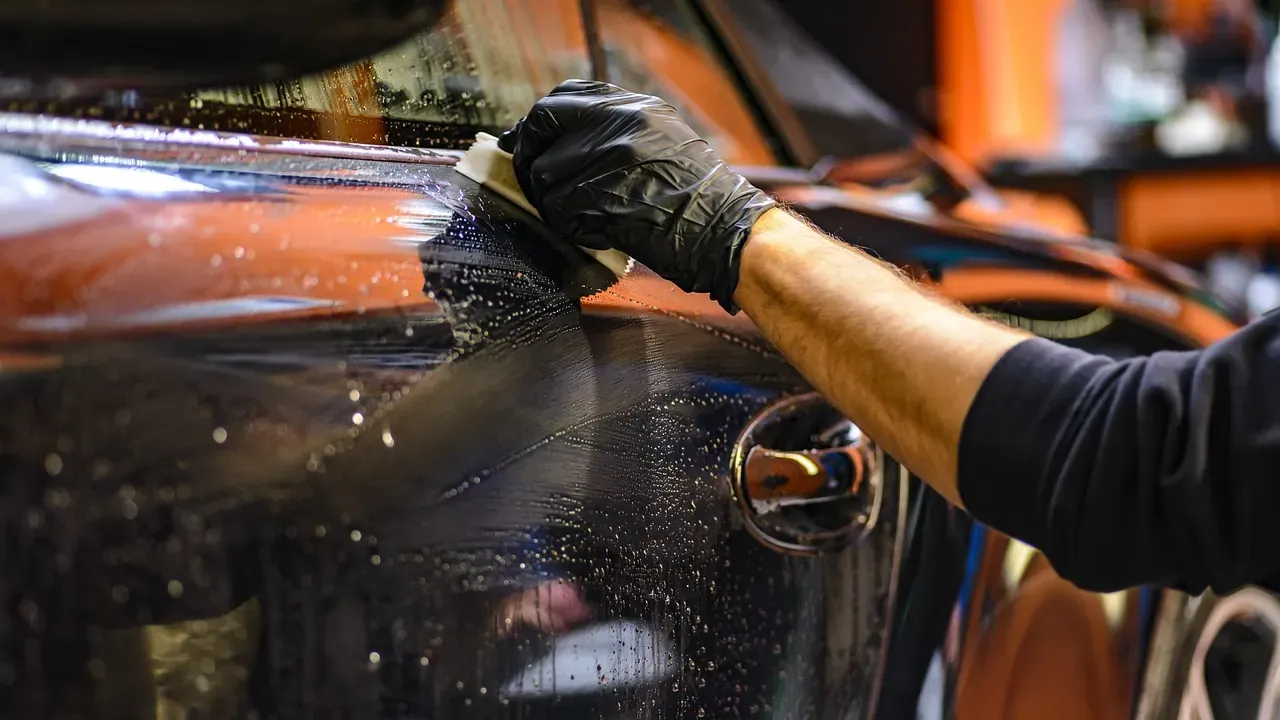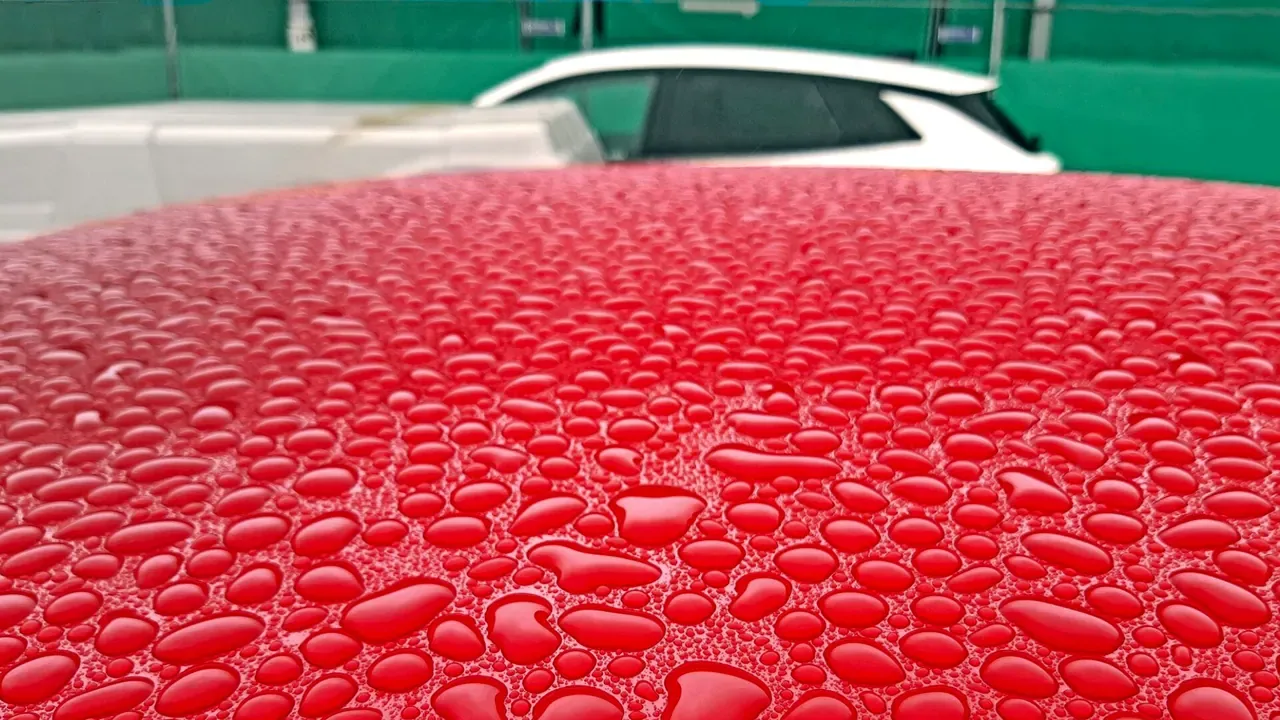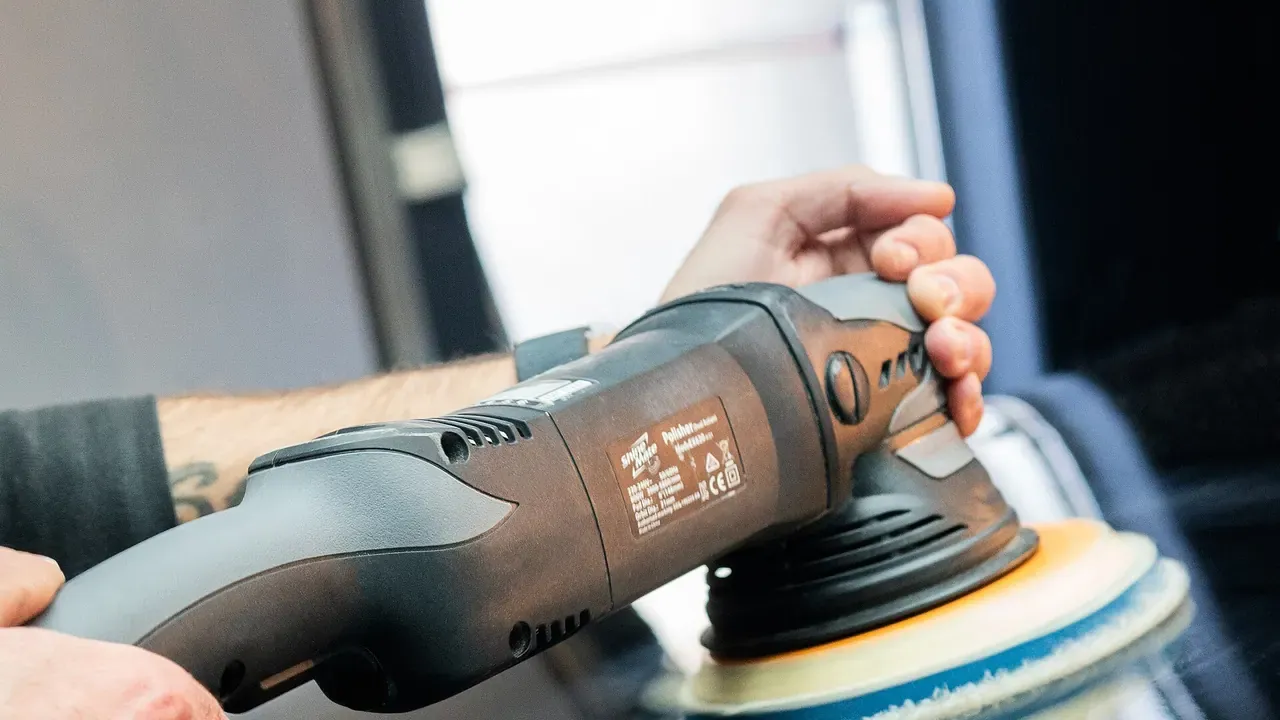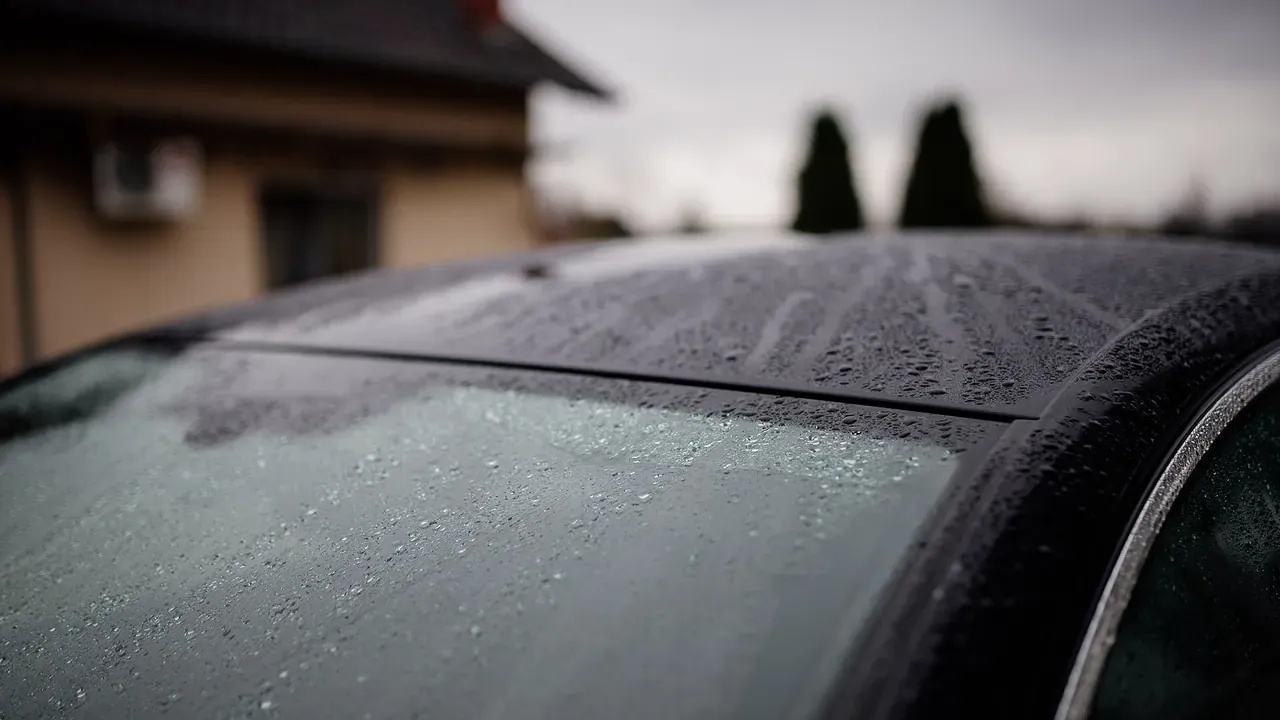
Short answer: Compare preparation, workspace, cure control, maintenance, correction risk, and written support.
Start with the use case
You are deciding between a consumer coating, professional installation, or simpler protection. Start with the job you actually repeat, the conditions in which it happens, and the cleanup that follows. A specification matters only when it changes that workflow.
Compare the criteria that change ownership
- Start with paint condition and decide whether correction is wanted, safe, and worth the cost.
- Assess indoor workspace, temperature, lighting, cure time, and the ability to keep the car dry.
- Compare consumer and professional products by instructions, installer accountability, maintenance, and warranty terms.
- Budget for preparation and future wash behavior rather than only the bottle or package price.
- Choose a simpler sealant when installation conditions or maintenance commitment are uncertain.
Questions to settle before paying
Coating cost often hides the preparation and wash routine that make the result durable. A simpler protectant is the more honest choice when cure conditions or regular maintenance are uncertain.
- Can the seller or installer identify the exact product, instructions, and written coverage?
- Does the option fit the access, storage, maintenance, and cleanup available at home?
- Is the added capability needed often enough to justify the complete cost rather than only the purchase price?
The decision in context
Compare preparation, workspace, cure control, maintenance, correction risk, and written support.
Sources and verification
Last verified: August 3, 2026. These sources frame the decision points for ceramic coating buying guide; vehicle-specific instructions and product labels take precedence where they apply.