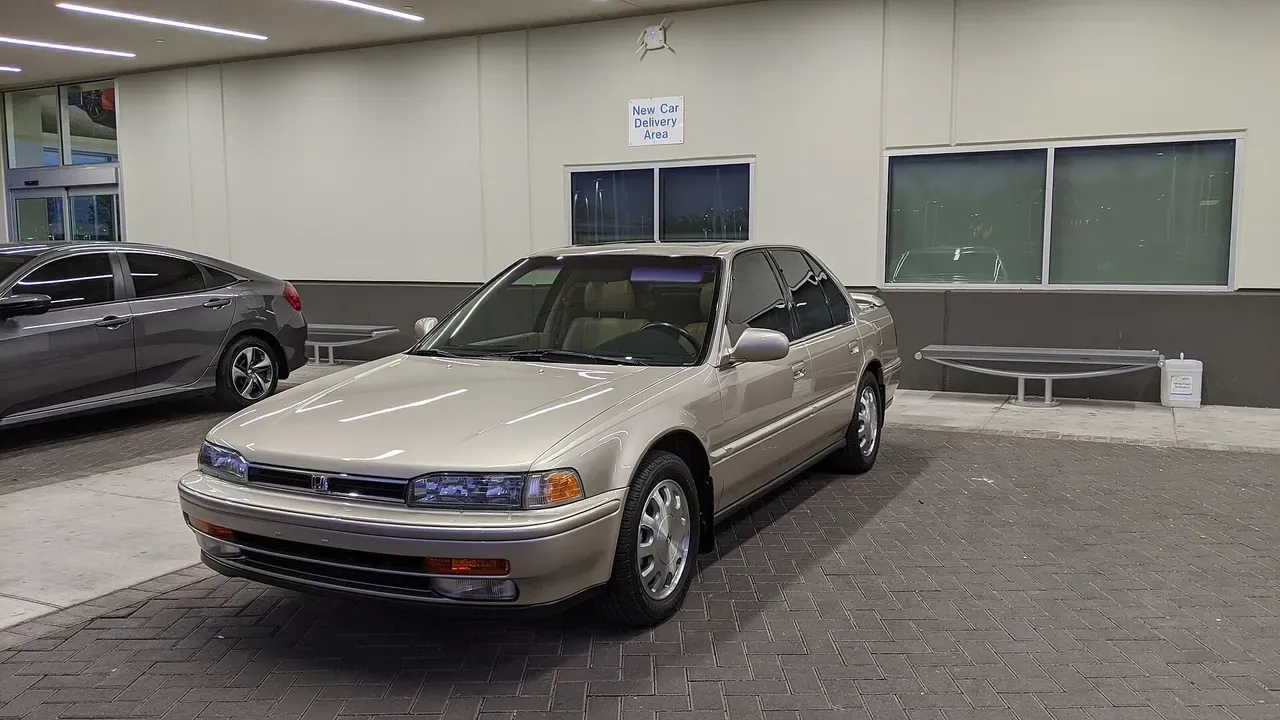
Use this checklist when: You need a focused inspection before accepting a new vehicle and leaving the seller. Document condition, included equipment, functions, and written commitments without posing as a mechanical inspection.
Before the work
- Match the vehicle identification, trim, options, keys, manuals, and promised accessories to the paperwork.
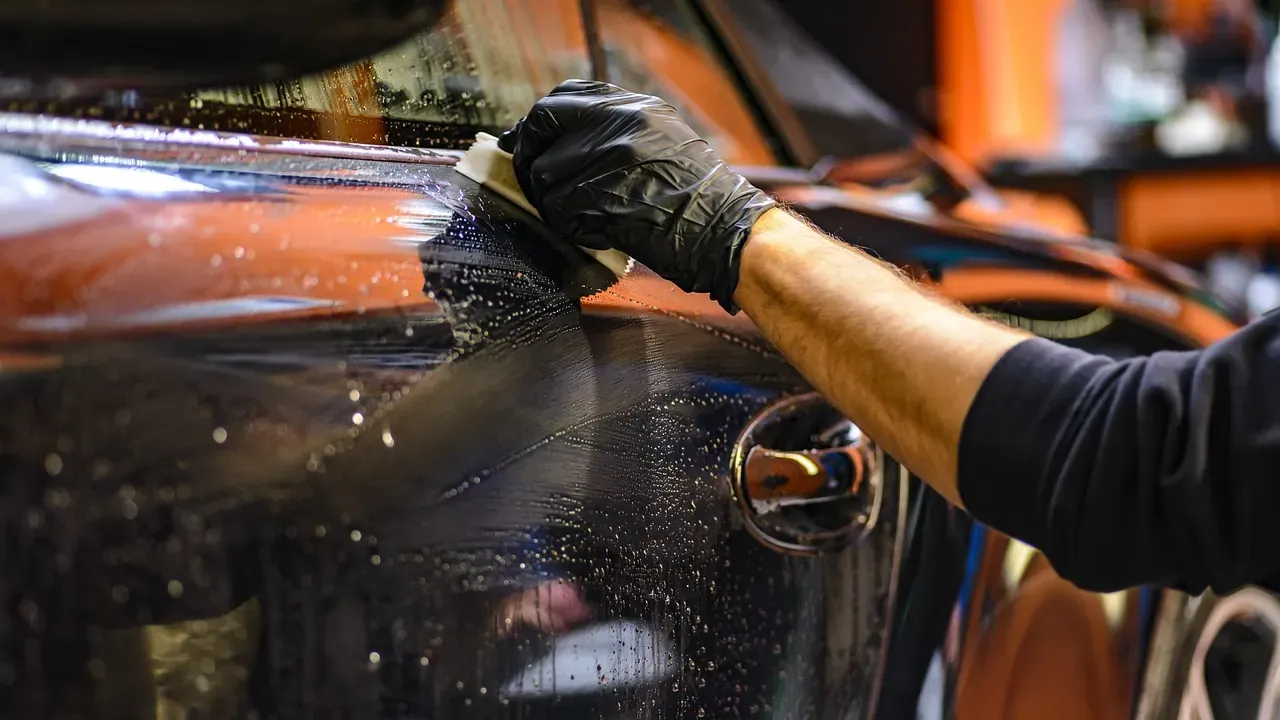
- Inspect paint, glass, lights, trim, wheels, tires, interior, cargo areas, and underbody areas visible without lifting.
During the work
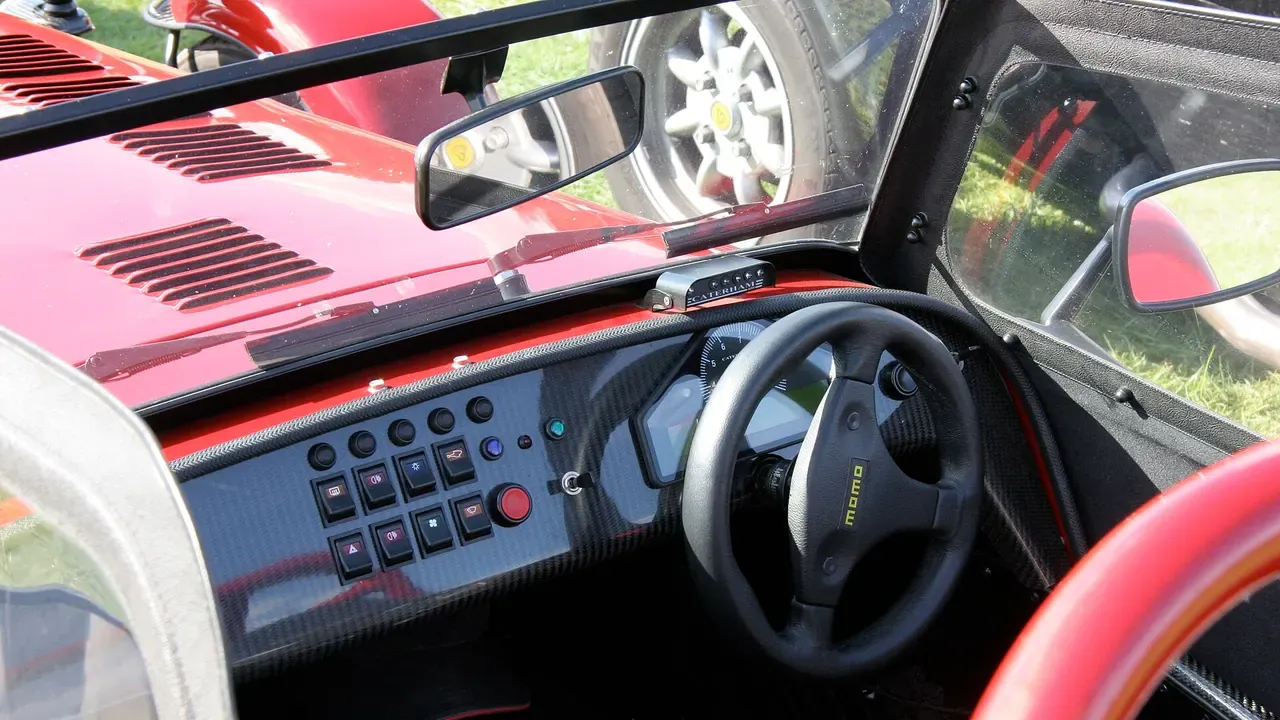
- Operate basic controls, locks, windows, cameras, lights, climate, charging ports, and included equipment.
- Record concerns with clear photographs and written acknowledgment before departure.
Finish and reset
- Confirm service, warranty, roadside, temporary registration, and follow-up contacts.
What this list is designed to catch
Record concerns before leaving whenever possible. Clear photographs, the location of the issue, and written acknowledgment are more useful than trying to diagnose the cause on the delivery lot.
Adjust it to the vehicle and season
Document condition, included equipment, functions, and written commitments without posing as a mechanical inspection.
Sources and verification
Last verified: August 3, 2026. These sources frame the decision points for new car delivery checklist; vehicle-specific instructions and product labels take precedence where they apply.