Direct answer: Inspect first, wash conservatively, and postpone correction until ownership and warranty questions are documented.
Assess the job before touching the vehicle
- Photograph existing paint, trim, glass, and wheel concerns before washing.
- Confirm whether dealer-applied film, coating, or instructions affect the process.
Keep the active work controlled
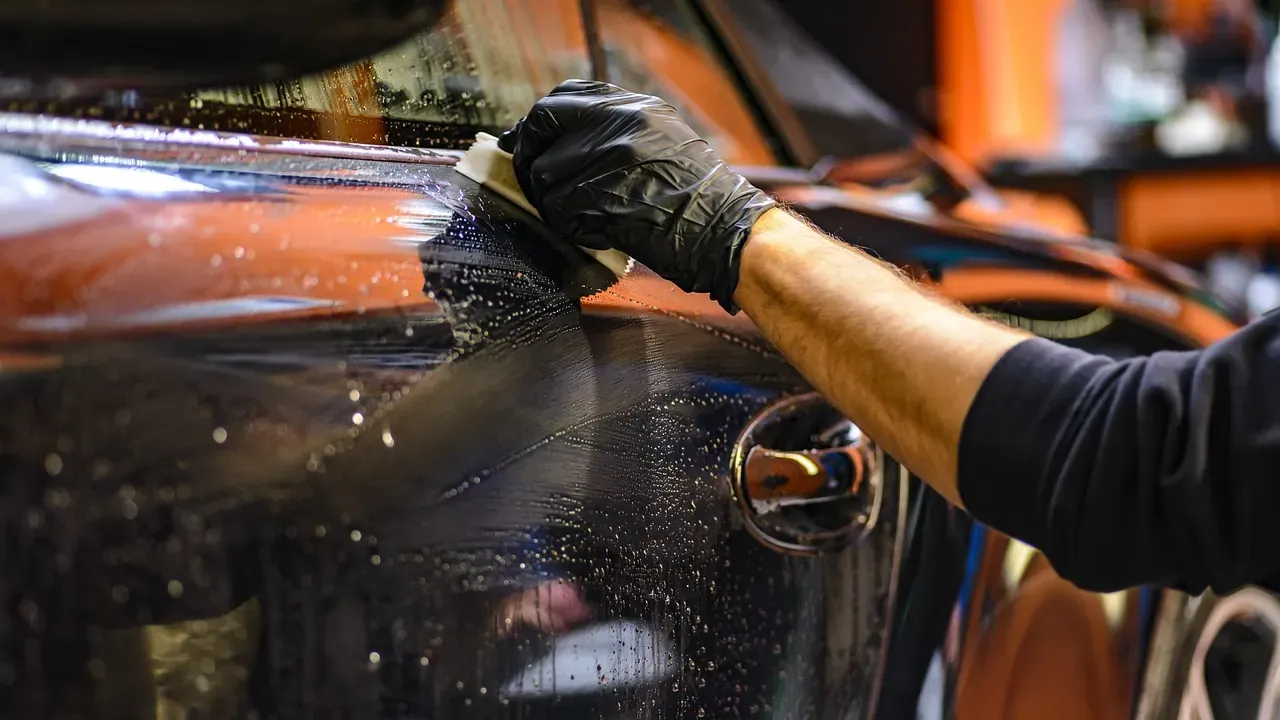
- Pre-rinse and use clean separated wash media with a mild compatible shampoo.
- Dry carefully and inspect in diffuse and direct light.
For new car first wash, continue only while the vehicle, material, and work area support the method you selected. Do not add pressure, moisture, or stronger chemistry to compensate for an unsuitable condition.
Finish with an inspection
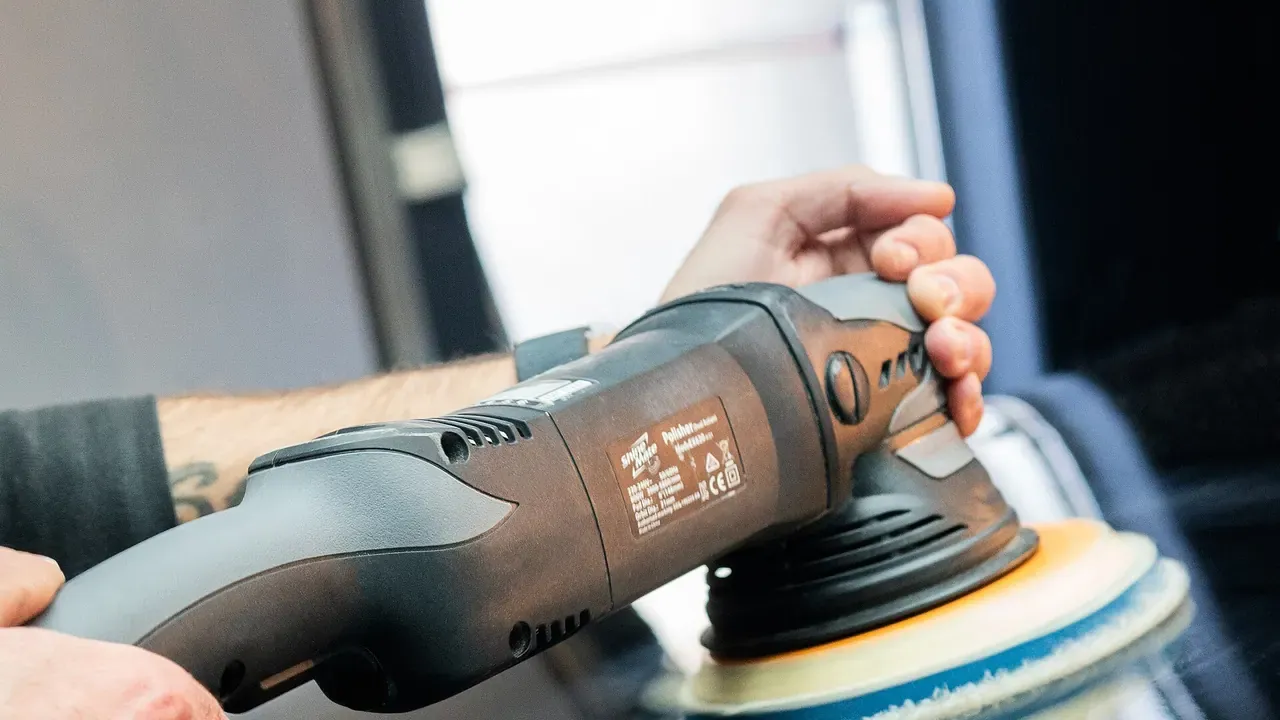
- Do not polish defects until any delivery-condition claim has been discussed and documented.
For new car first wash, the useful result is a clean, documented, and usable surface. If the remaining issue is damage, a warning light, a leak, or a material failure, changing the cleaning method will not solve it.
Keep this boundary in view
A new car can still carry transport film, dealer-applied products, or pre-existing defects. Photographing those conditions before washing preserves the option to discuss them with the seller.
Match the process to the real use case
You want to remove transport film and ordinary dirt without assuming new paint is defect-free. Inspect first, wash conservatively, and postpone correction until ownership and warranty questions are documented.
Sources and verification
Last verified: August 3, 2026. These sources frame the decision points for new car first wash; vehicle-specific instructions and product labels take precedence where they apply.