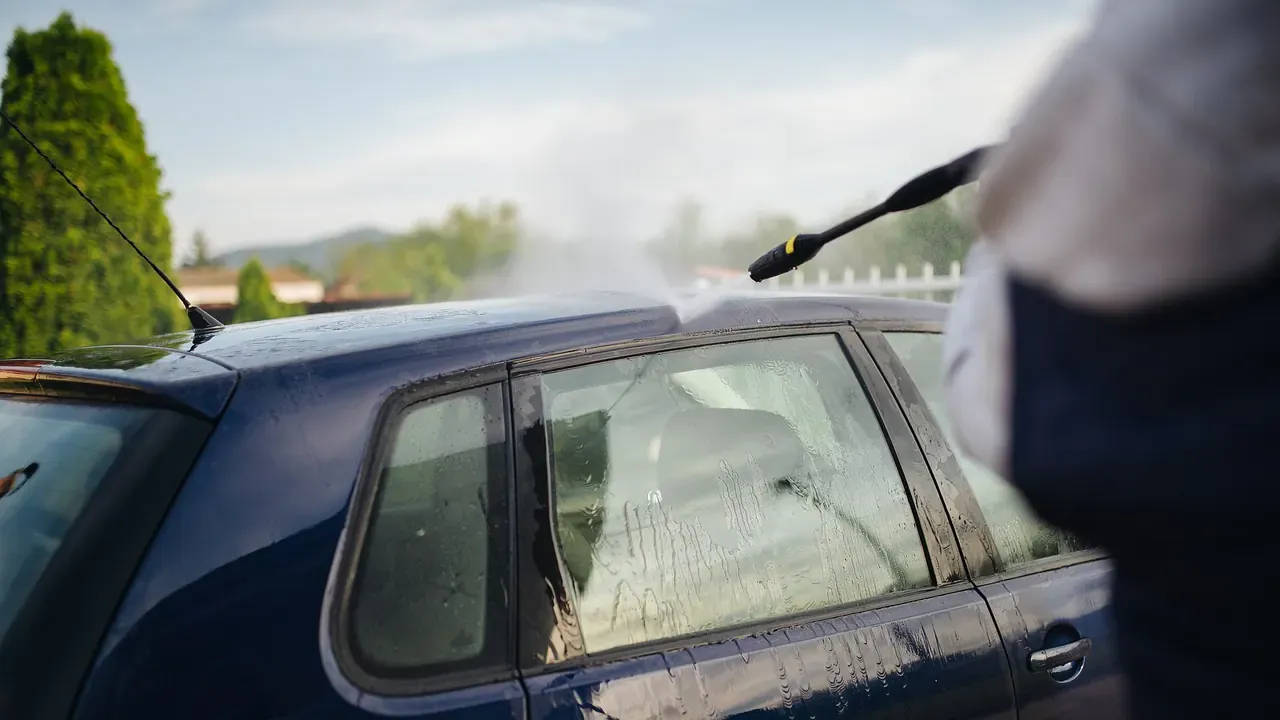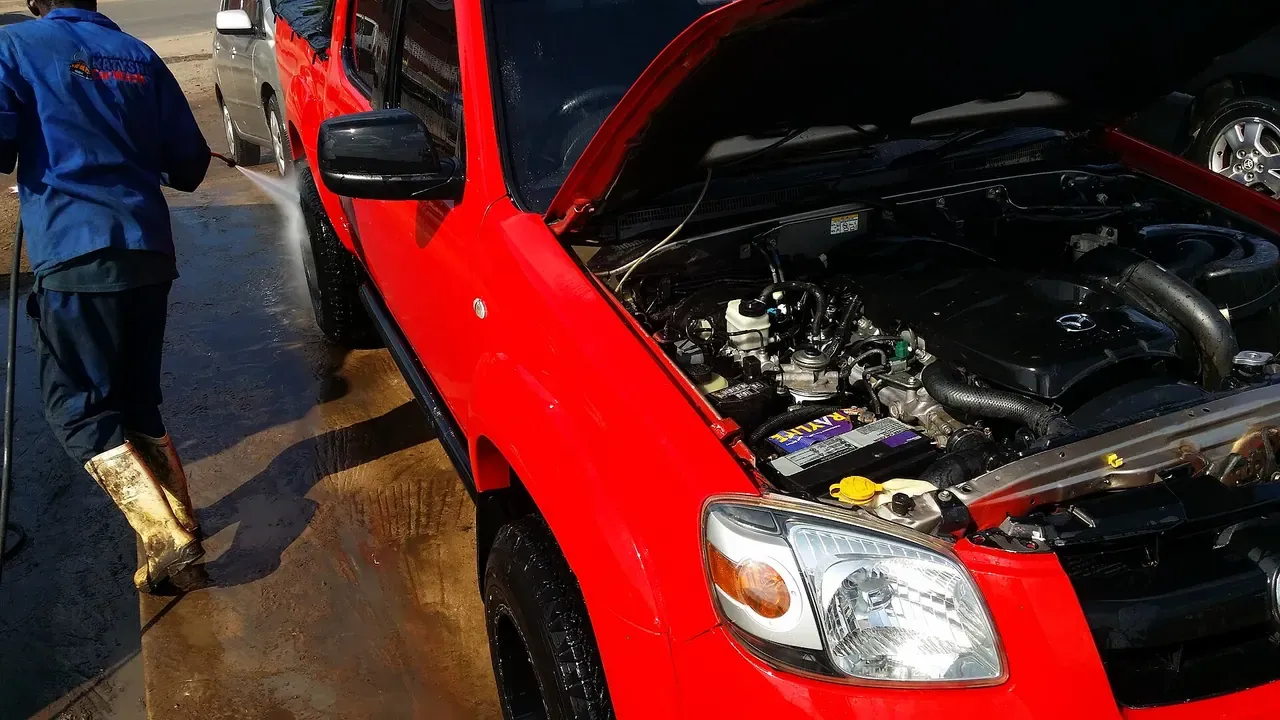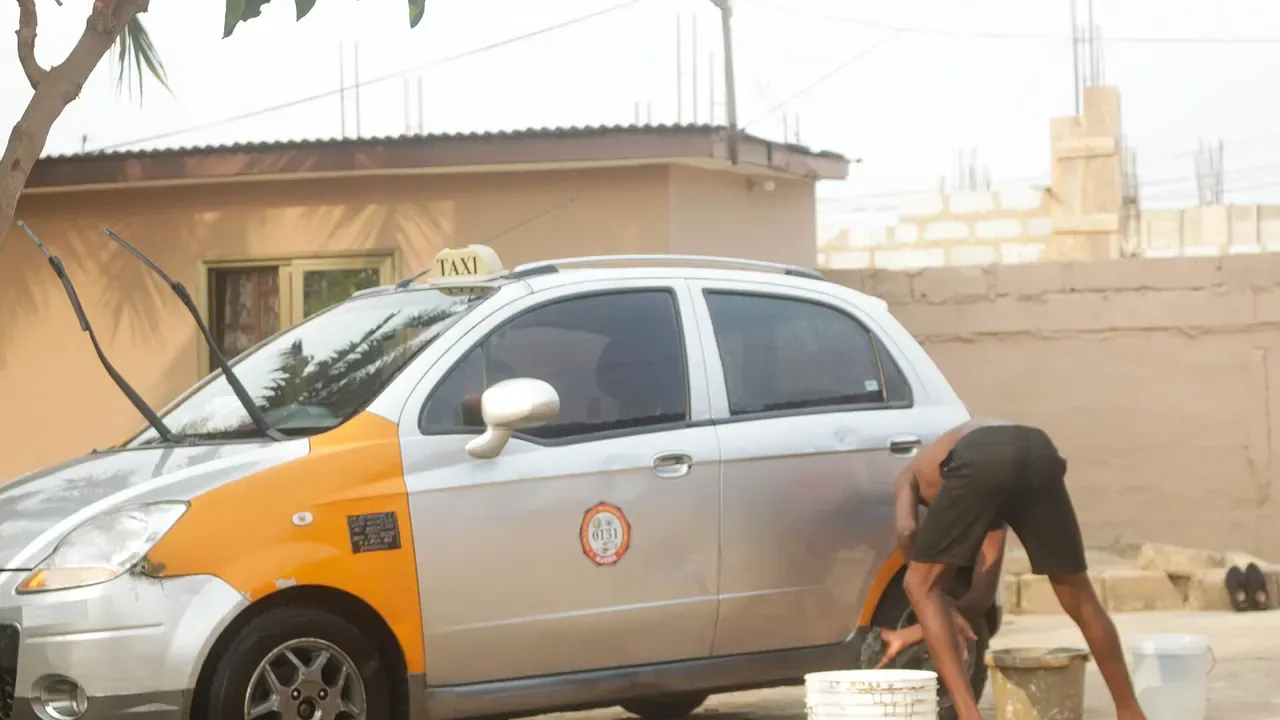
Direct answer: Soften first, lift rather than scrub, then inspect for etching after the residue is gone.
Assess the job before touching the vehicle
- Move the vehicle out of direct sun and let the panel cool.
- Saturate the deposit with car-safe wash solution or water to soften it.
Keep the active work controlled
- Lift softened material with a folded clean towel instead of rubbing in circles.
- Repeat with a fresh towel face until no residue transfers.
For remove bird droppings from car, continue only while the vehicle, material, and work area support the method you selected. Do not add pressure, moisture, or stronger chemistry to compensate for an unsuitable condition.
Finish with an inspection
- Wash and dry the area, then inspect separately for etching that cleaning cannot remove.
For remove bird droppings from car, the useful result is a clean, documented, and usable surface. If the remaining issue is damage, a warning light, a leak, or a material failure, changing the cleaning method will not solve it.
Keep this boundary in view
Etching can remain after the deposit is gone because the issue may be in the clear coat rather than on it. Cleaning removes the contamination; it does not guarantee that the finish needs no separate assessment.
Match the process to the real use case
You need to remove dried contamination without grinding it into the clear coat. Soften first, lift rather than scrub, then inspect for etching after the residue is gone.
Sources and verification
Last verified: August 3, 2026. These sources frame the decision points for remove bird droppings from car; vehicle-specific instructions and product labels take precedence where they apply.