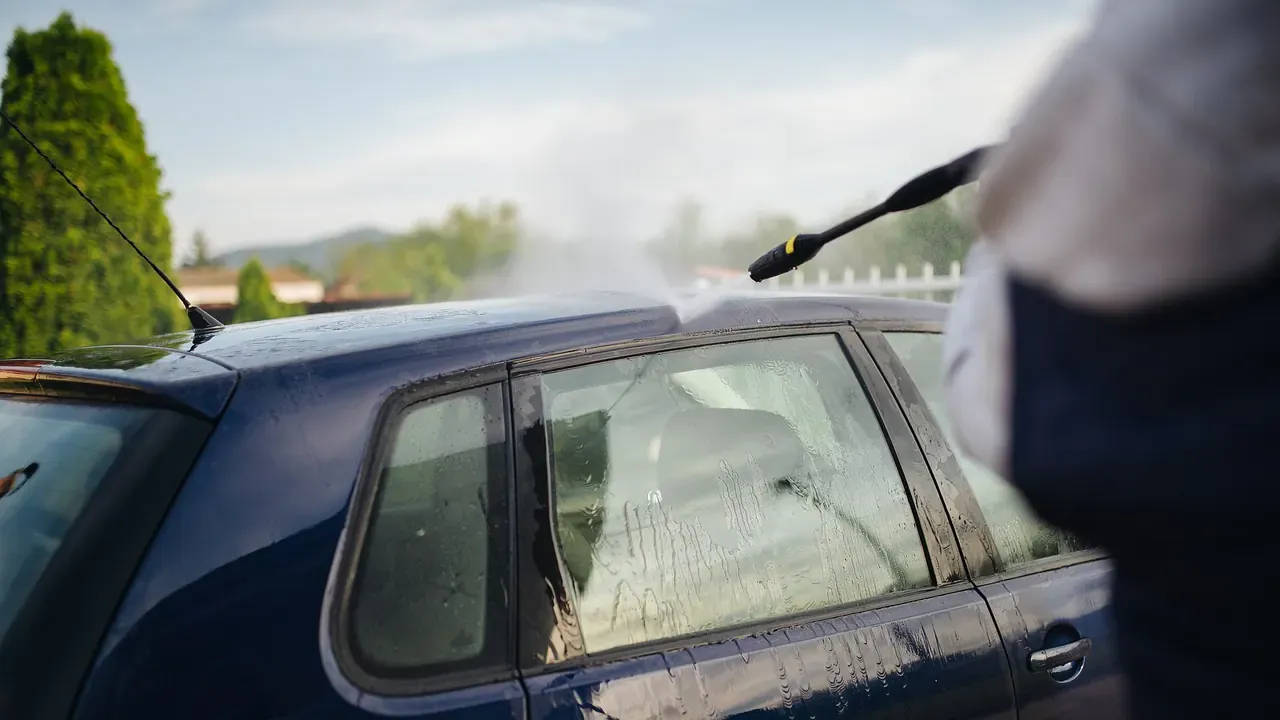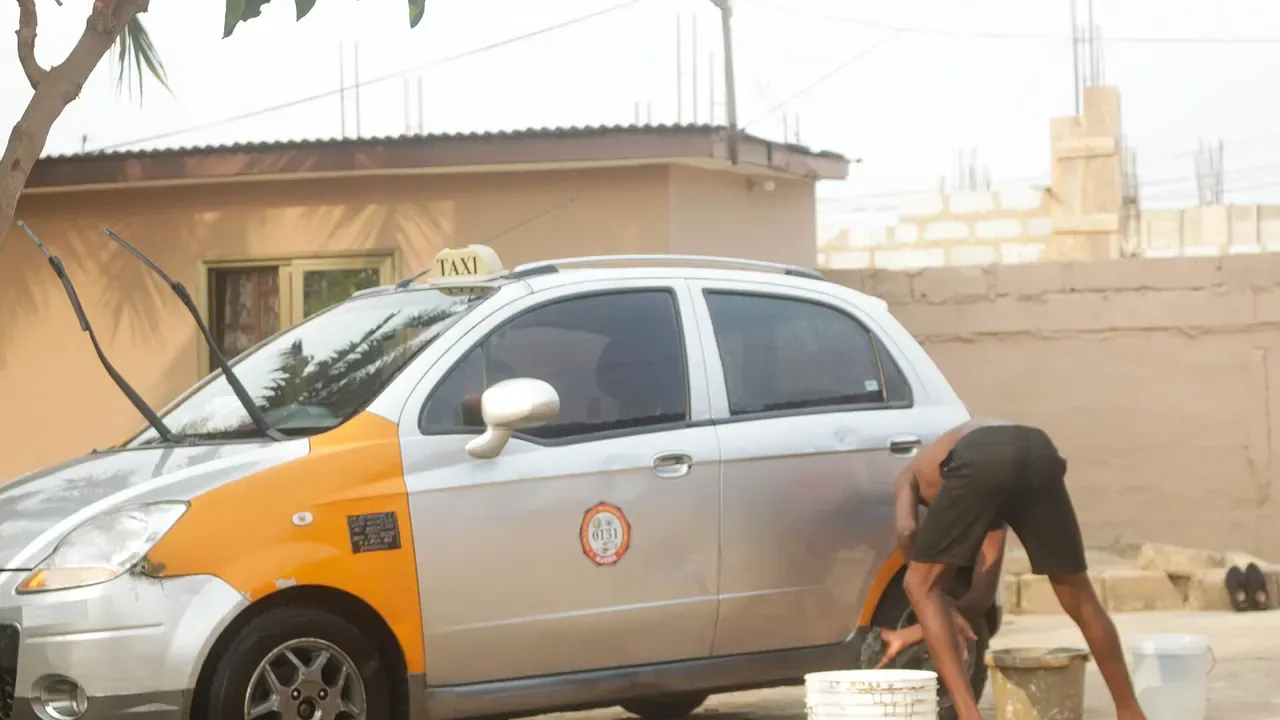
Direct answer: Use timing, panel order, and cooling rinses to reduce spotting rather than pretending direct sun is ideal.
Assess the job before touching the vehicle
- Choose the coolest available time and test panel temperature with a clean hand.
- Work on the shaded side first and keep the next panel wet before washing it.
Keep the active work controlled
- Use smaller sections and rinse each one before soap begins to dry.
- Re-wet adjacent panels when wind or heat accelerates evaporation.
For wash car in sunlight, continue only while the vehicle, material, and work area support the method you selected. Do not add pressure, moisture, or stronger chemistry to compensate for an unsuitable condition.
Finish with an inspection
- Dry immediately and move the vehicle into shade as soon as practical.
For wash car in sunlight, the useful result is a clean, documented, and usable surface. If the remaining issue is damage, a warning light, a leak, or a material failure, changing the cleaning method will not solve it.
Keep this boundary in view
If soap begins to dry before a section can be rinsed, the conditions are dictating a smaller job or a different time. More product or faster scrubbing is not the answer to hot panels.
Match the process to the real use case
The reader must wash outside where panels heat up and rinse water dries quickly. Use timing, panel order, and cooling rinses to reduce spotting rather than pretending direct sun is ideal.
Sources and verification
Last verified: August 3, 2026. These sources frame the decision points for wash car in sunlight; vehicle-specific instructions and product labels take precedence where they apply.