Use this checklist when: You need to catch damaged cords, hoses, filters, batteries, and leaking bottles before the next work season. Inspect by energy source and contamination risk, then document parts that need replacement.
Before the work
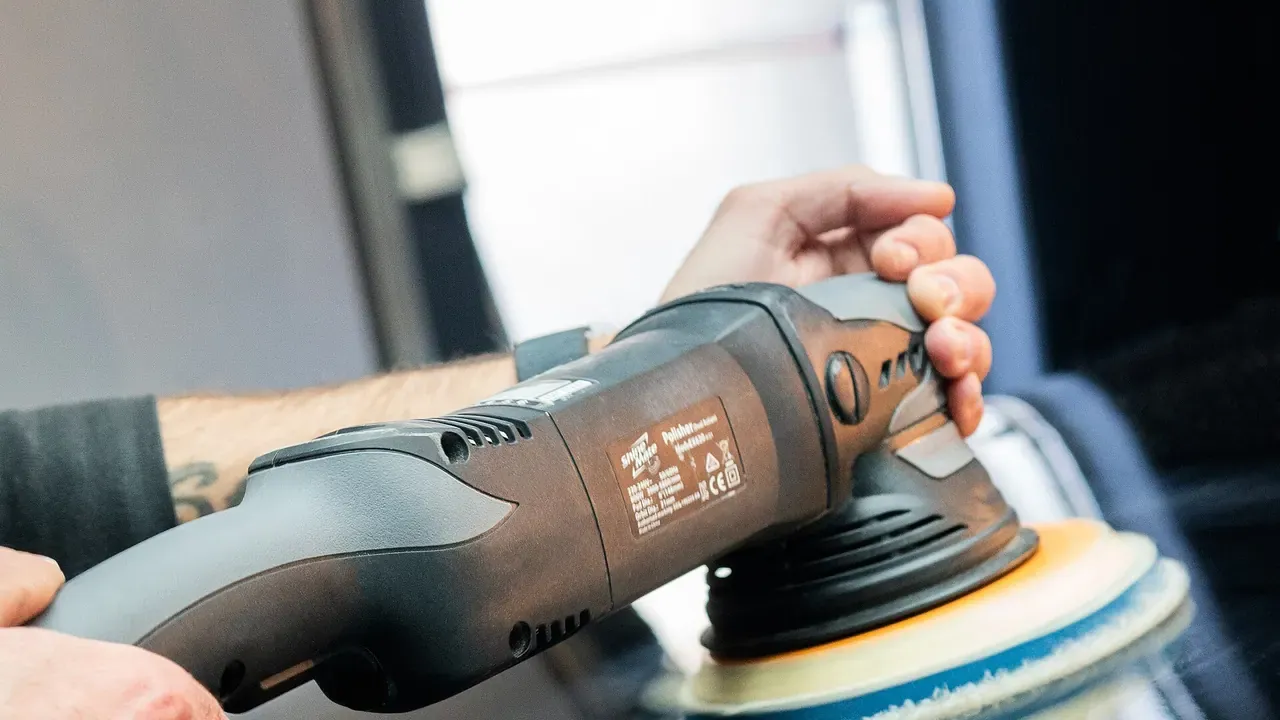
- Check cords, plugs, extension ratings, battery packs, chargers, and tool housings for damage.
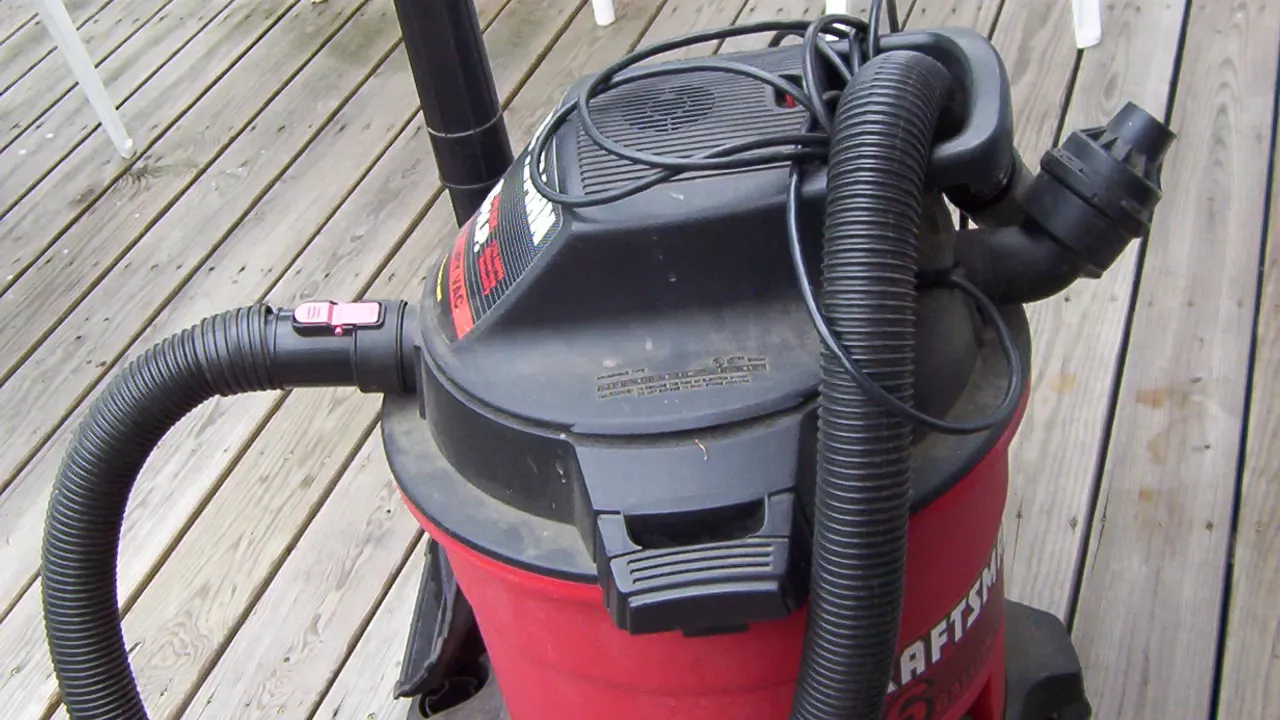
- Inspect hoses, fittings, seals, nozzles, tanks, and filters for leaks or blockage.
During the work
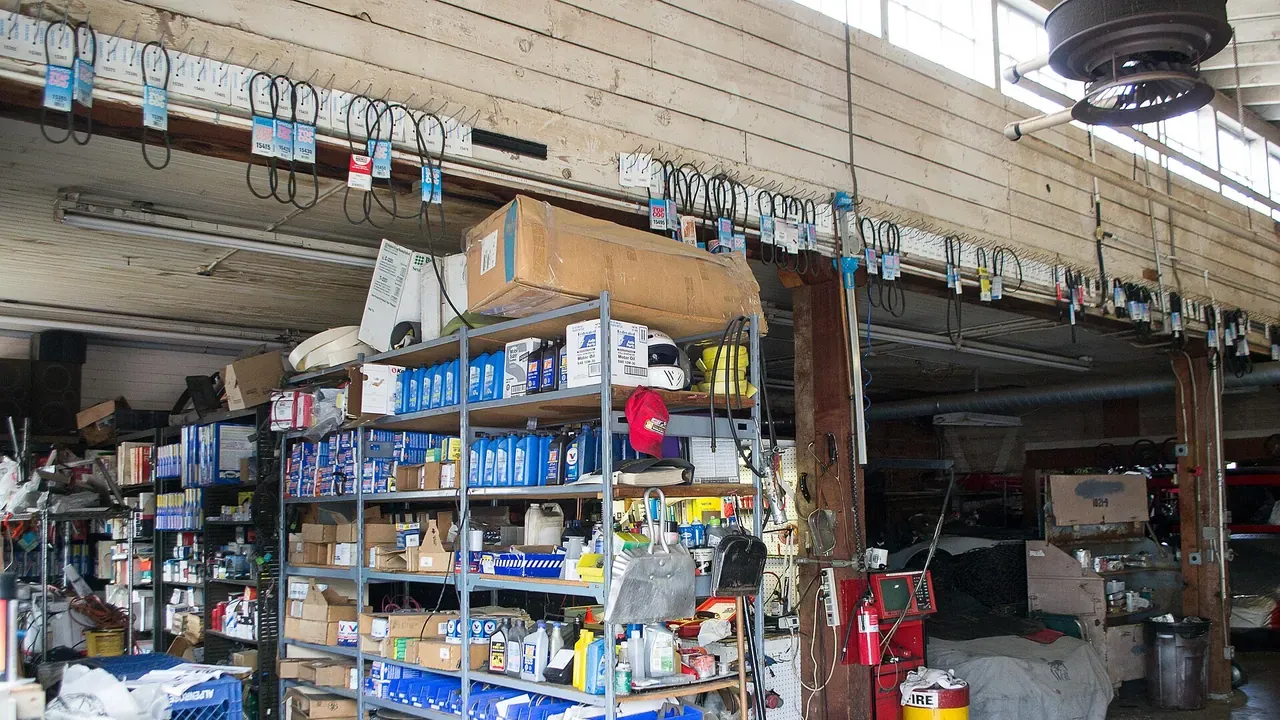
- Review chemical dates, labels, storage temperature, separation, and spill containment.
- Wash and inspect towels, brushes, pads, and wash media before assigning their next role.
Finish and reset
- Run only the manufacturer-recommended functional checks and record replacement needs.
What this list is designed to catch
Do not dismantle a tool beyond the manufacturer-recommended checks. Frayed cords, leaking tanks, swollen batteries, and damaged guards are replacement or service decisions, not detailing chores.
Adjust it to the vehicle and season
Inspect by energy source and contamination risk, then document parts that need replacement.
Sources and verification
Last verified: August 3, 2026. These sources frame the decision points for garage tool inspection checklist; vehicle-specific instructions and product labels take precedence where they apply.