Short answer: Size the machine around access and maintenance rather than defaulting to the largest tank or motor claim.
Start with the use case
You are choosing capacity, hose, filtration, noise, and storage for car and garage cleanup. Start with the job you actually repeat, the conditions in which it happens, and the cleanup that follows. A specification matters only when it changes that workflow.
Compare the criteria that change ownership
- Measure storage, vehicle reach, stairs, thresholds, and the farthest cleaning point before comparing models.
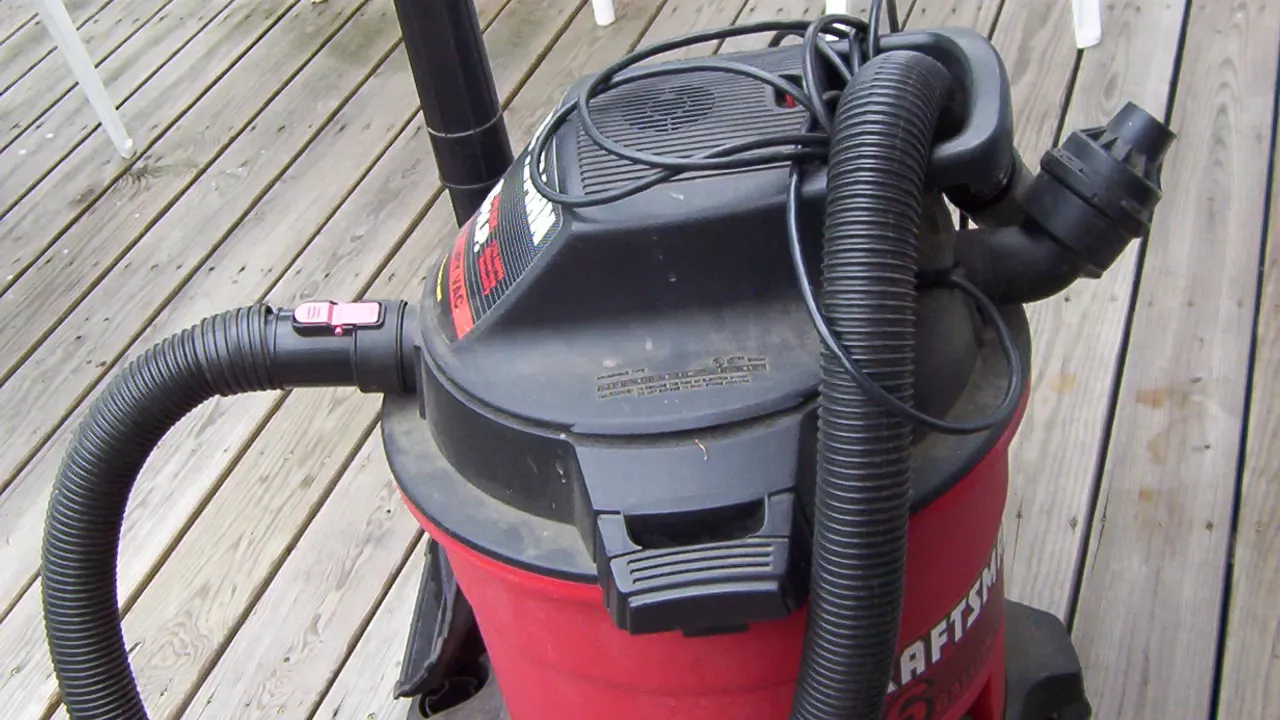
- Choose hose diameter and flexibility around debris size, seat-rail access, and attachment availability.
- Match tank capacity to realistic pickup volume and the willingness to clean a larger machine.
- Review filter type, wet conversion steps, exhaust control, noise, cord length, and parts availability.
- Use comparable manufacturer specifications and avoid treating peak horsepower as a complete performance measure.
Questions to settle before paying
Wet pickup adds filter changes, tank cleaning, and drying requirements. Choose that capability only when it fits the spills or garage cleanup you genuinely expect to handle.
- Can the seller or installer identify the exact product, instructions, and written coverage?
- Does the option fit the access, storage, maintenance, and cleanup available at home?
- Is the added capability needed often enough to justify the complete cost rather than only the purchase price?
The decision in context
Size the machine around access and maintenance rather than defaulting to the largest tank or motor claim.
Sources and verification
Last verified: August 3, 2026. These sources frame the decision points for wet dry vacuum buying guide; vehicle-specific instructions and product labels take precedence where they apply.