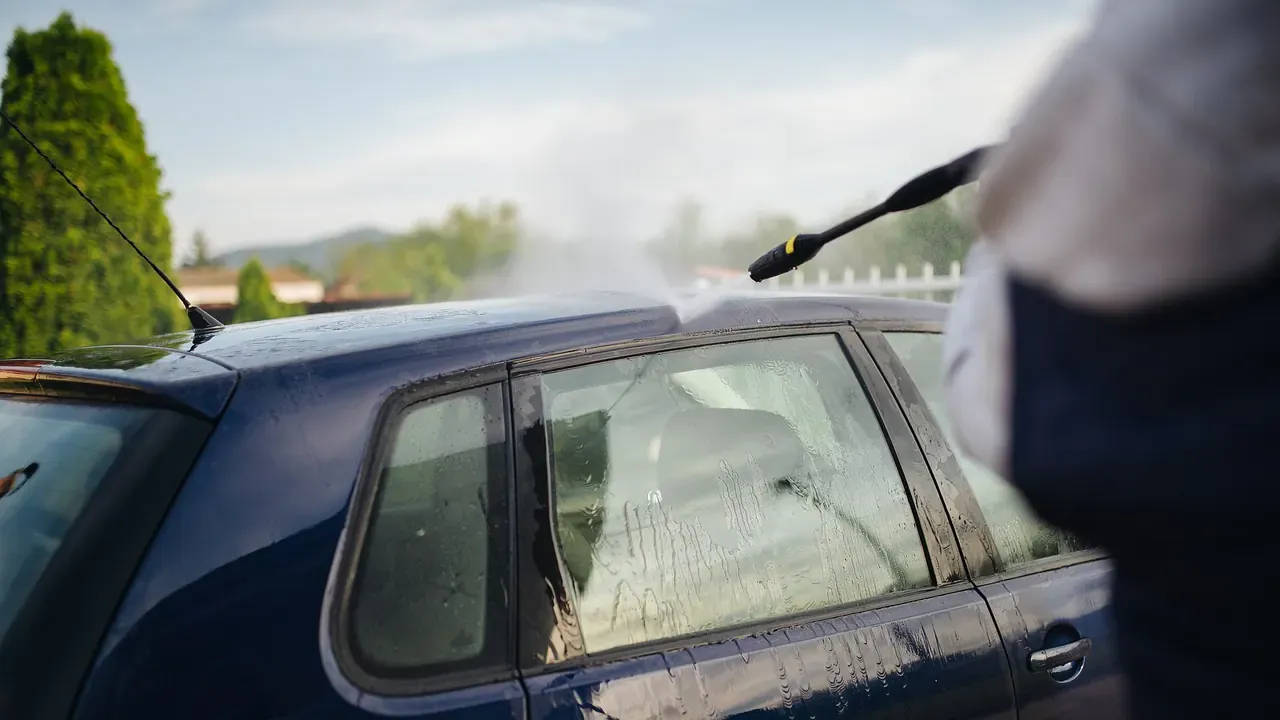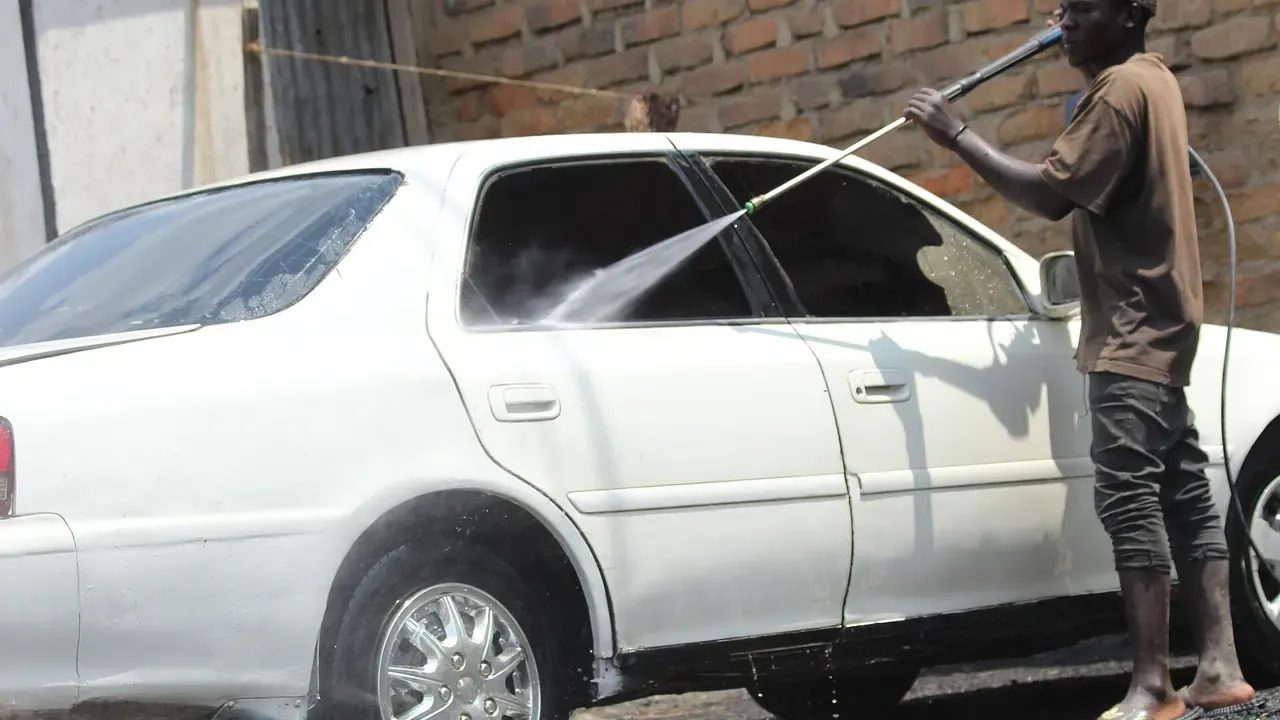
Use this checklist when: You want a fast routine that catches damaging contamination before it becomes a larger correction job. Prioritize inspection, wheels, high-soil panels, safe drying, and tool cleanup in a sequence that fits one vehicle.
Before the work
- Check weather, panel temperature, local runoff conditions, and available shade.
- Inspect for bird droppings, sap, road film, wheel damage, and tire concerns.
During the work
- Stage separate wheel and paint tools before wet work starts.
- Wash, rinse, and dry in manageable sections without allowing chemicals to dry.
Finish and reset
- Rinse tools, separate dirty towels, and record paint or trim issues for later work.
What this list is designed to catch
A weekly wash can be short when the vehicle is lightly soiled. The purpose is to remove fresh contamination and inspect the car, not to force a full decontamination session every seven days.
Adjust it to the vehicle and season
Prioritize inspection, wheels, high-soil panels, safe drying, and tool cleanup in a sequence that fits one vehicle.
Sources and verification
Last verified: August 3, 2026. These sources frame the decision points for weekly car wash checklist; vehicle-specific instructions and product labels take precedence where they apply.