Direct answer: Start with cool wheels, identify the finish, and reserve separate tools for faces, barrels, and tires.
Assess the job before touching the vehicle
- Confirm the wheels are cool and identify painted, polished, coated, or specialty finishes.
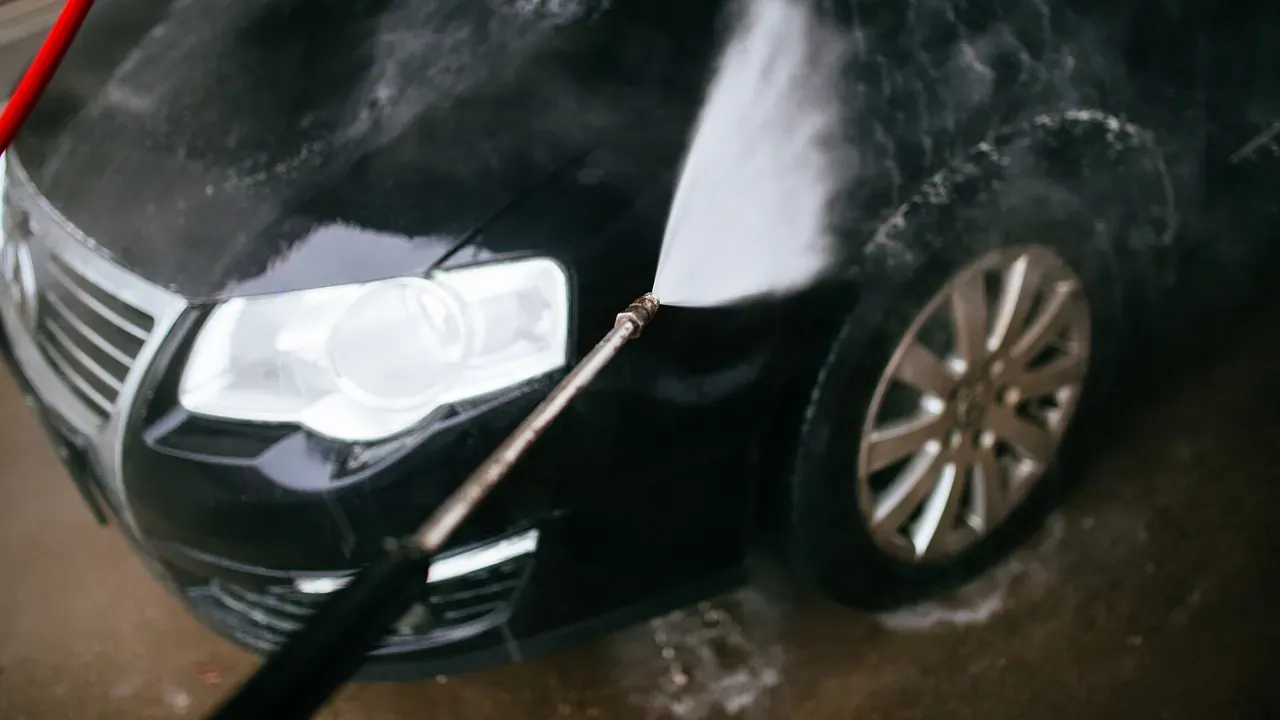
- Rinse loose grit and work on one wheel at a time.
Keep the active work controlled
- Apply a compatible cleaner and agitate tires, faces, lug areas, and barrels with separate tools.
- Rinse thoroughly before cleaner dries, including behind spokes.
For how to clean wheels and tires, continue only while the vehicle, material, and work area support the method you selected. Do not add pressure, moisture, or stronger chemistry to compensate for an unsuitable condition.
Finish with an inspection
- Dry the wheel and tire, then inspect for embedded brake dust or finish damage.
For how to clean wheels and tires, the useful result is a clean, documented, and usable surface. If the remaining issue is damage, a warning light, a leak, or a material failure, changing the cleaning method will not solve it.
Keep this boundary in view
Unknown wheel finishes deserve the mildest compatible route. Acidic or aggressive products may solve visible brake dust while creating a more expensive finish problem that routine cleaning cannot reverse.
Match the process to the real use case
You need a repeatable wheel process without contaminating paint tools or damaging wheel finishes. Start with cool wheels, identify the finish, and reserve separate tools for faces, barrels, and tires.
Sources and verification
Last verified: August 3, 2026. These sources frame the decision points for how to clean wheels and tires; vehicle-specific instructions and product labels take precedence where they apply.