Use this checklist when: You need a compact kit for handling fresh food and drink spills before they set. Pack absorbent, low-risk basics and clear waste handling rather than a collection of aggressive chemicals.
Before the work
- Carry absorbent white towels that reveal color transfer and can be bagged after use.
- Include clean water, a compatible mild cleaner, disposable gloves, and sealable waste bags.
During the work
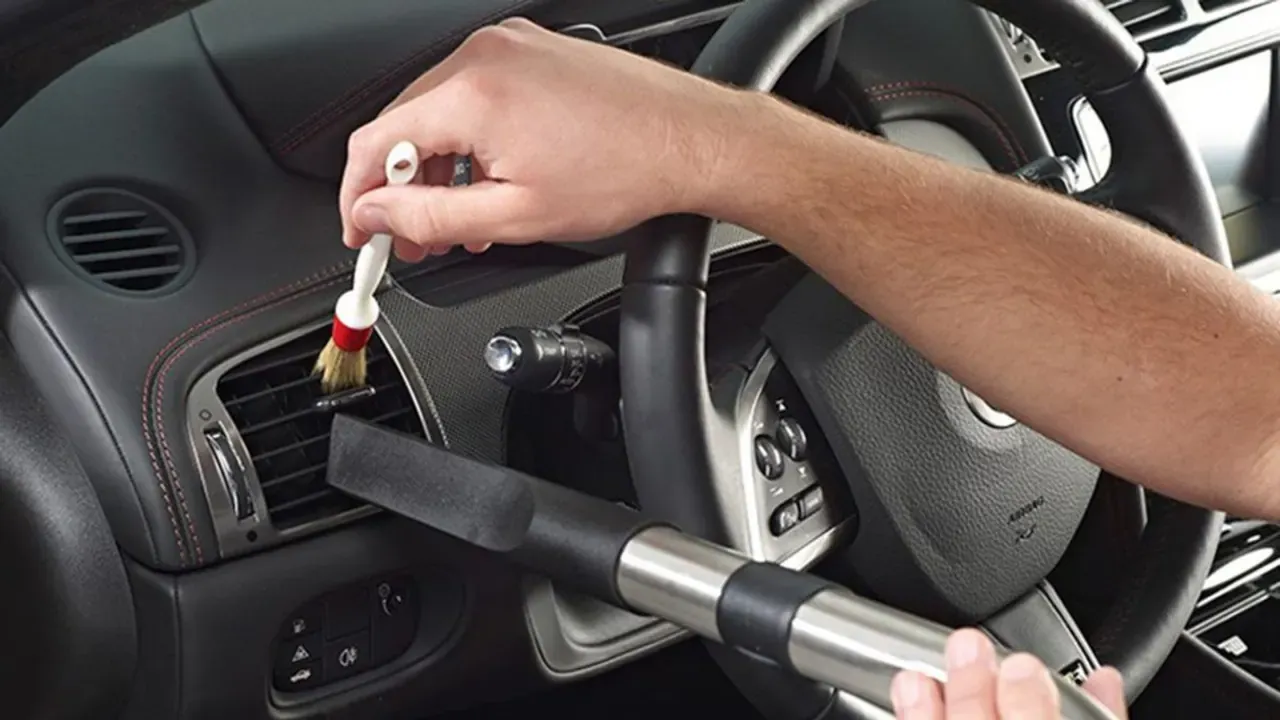
- Add a soft brush only for materials that tolerate agitation.
- Store liquids upright within their temperature limits and away from children.
Finish and reset
- Replace used or frozen supplies and keep the kit from becoming loose cargo.
What this list is designed to catch
Never treat the spill kit as a substitute for securing cargo or addressing a leaking container. The kit should contain low-risk first-response supplies, not chemicals that need a separate safety process.
Adjust it to the vehicle and season
Pack absorbent, low-risk basics and clear waste handling rather than a collection of aggressive chemicals.
Sources and verification
Last verified: August 3, 2026. These sources frame the decision points for car spill kit checklist; vehicle-specific instructions and product labels take precedence where they apply.