Use this checklist when: You want a manageable schedule that prevents dust, spills, and clutter from becoming deep-cleaning jobs. Use dry work, touch points, glass, spot treatment, and tool cleanup as separate passes.
Before the work
- Remove trash, documents, and items that can block vents or roll near pedals.
- Vacuum mats, seats, seams, storage areas, and accessible floor edges.
During the work
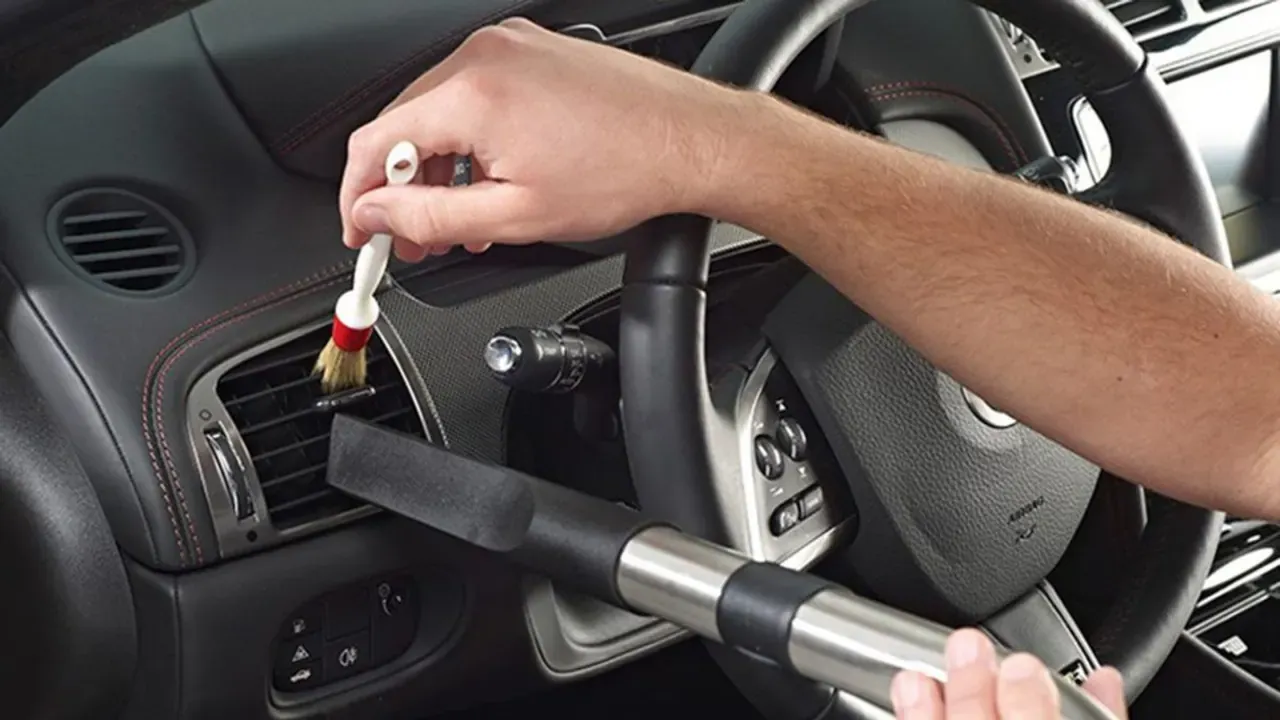
- Wipe high-touch controls with material-safe, low-moisture methods.
- Clean interior glass with a dedicated towel and inspect under different light.
Finish and reset
- Treat fresh spots, dry the cabin, and wash towels before returning supplies to storage.
What this list is designed to catch
A monthly reset should not turn into a deep-cleaning routine by default. Fresh spills, haze, and debris deserve attention, while low-use surfaces may need only a dry inspection.
Adjust it to the vehicle and season
Use dry work, touch points, glass, spot treatment, and tool cleanup as separate passes.
Sources and verification
Last verified: August 3, 2026. These sources frame the decision points for monthly car interior cleaning checklist; vehicle-specific instructions and product labels take precedence where they apply.