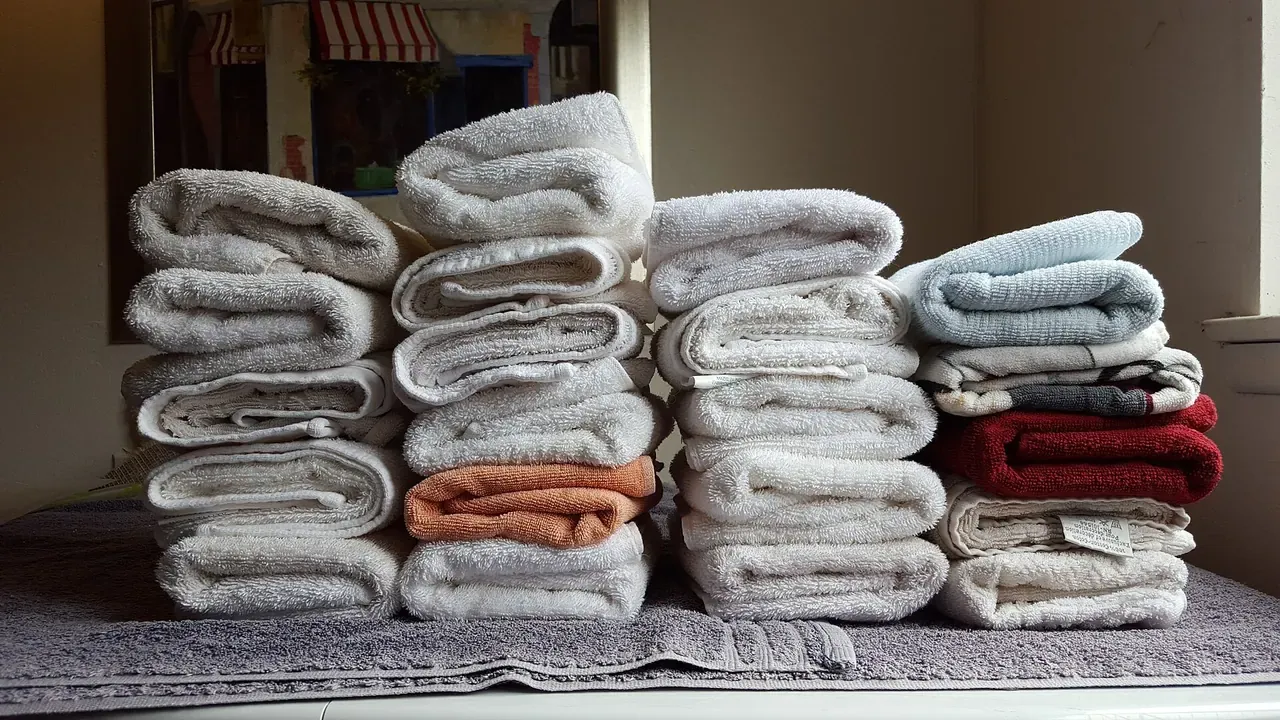
Direct answer: Use task groups, closed clean storage, open dirty collection, and clear retirement rules.
Assess the job before touching the vehicle
- Define separate groups for paint, drying, glass, interior, coatings, wheels, and utility work.
- Use color or simple labels as a backup to texture and storage location.
Keep the active work controlled
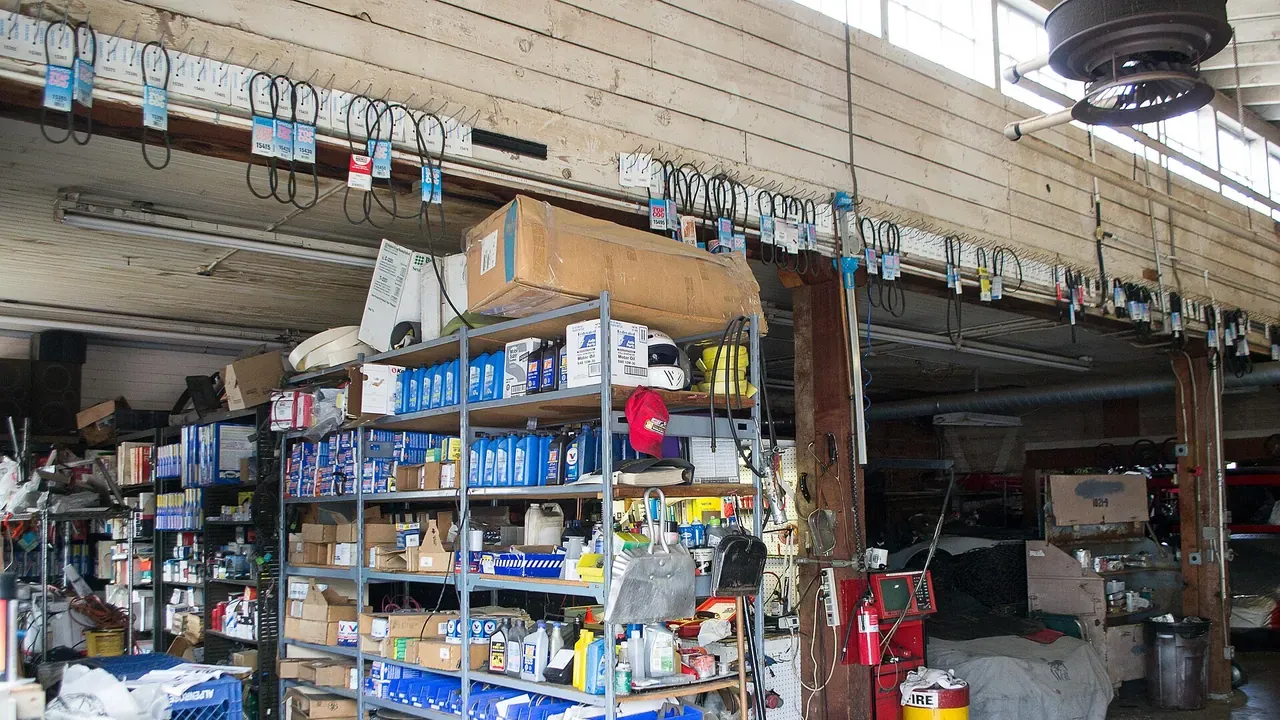
- Store clean dry towels in closed containers away from dust and chemicals.
- Collect used towels in breathable task-specific bins until laundering.
For organize microfiber towels, continue only while the vehicle, material, and work area support the method you selected. Do not add pressure, moisture, or stronger chemistry to compensate for an unsuitable condition.
Finish with an inspection
- Inspect after washing and retire rough, stained, or contaminated towels from sensitive surfaces.
For organize microfiber towels, the useful result is a clean, documented, and usable surface. If the remaining issue is damage, a warning light, a leak, or a material failure, changing the cleaning method will not solve it.
Keep this boundary in view
No color system can compensate for a towel’s condition. Texture, contamination history, and storage location should decide whether a cloth remains suitable for paint, glass, interiors, or utility work.
Match the process to the real use case
The reader mixes paint, glass, interior, wheel, and utility towels and cannot track contamination. Use task groups, closed clean storage, open dirty collection, and clear retirement rules.
Sources and verification
Last verified: August 3, 2026. These sources frame the decision points for organize microfiber towels; vehicle-specific instructions and product labels take precedence where they apply.