Direct answer: Use original containers, readable labels, temperature control, separation, and spill containment based on the product documentation.
Assess the job before touching the vehicle
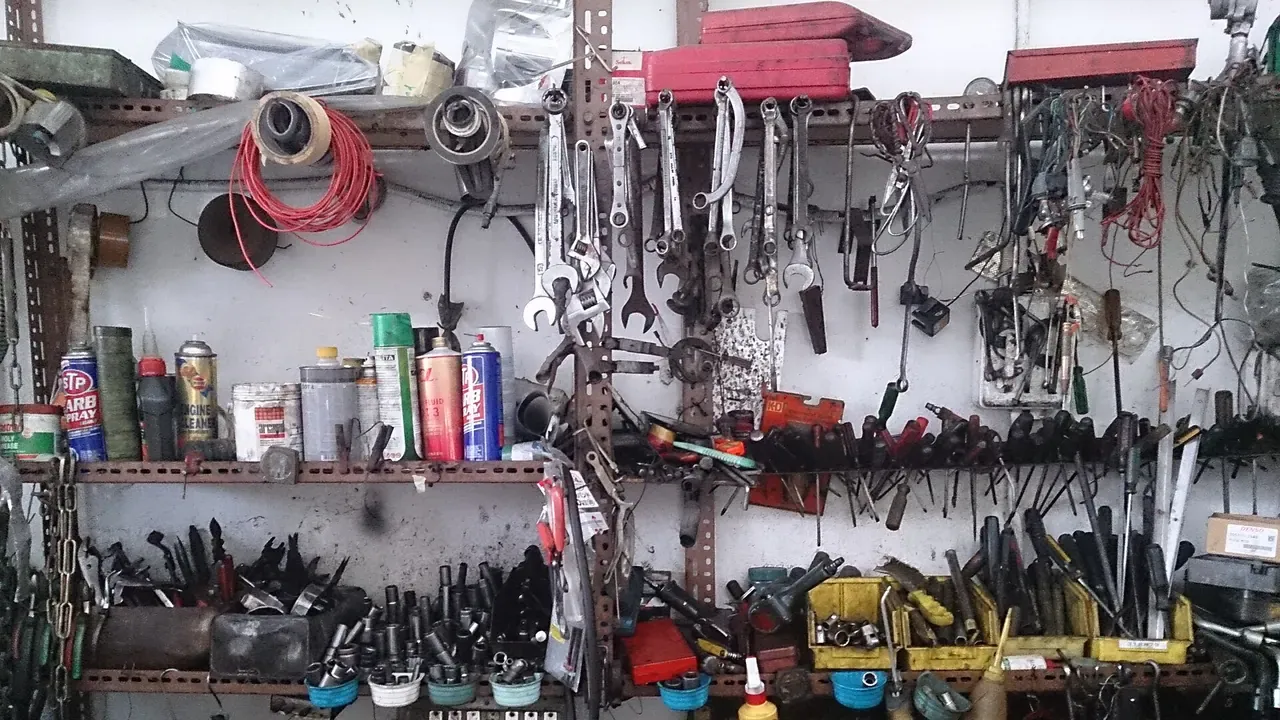
- Keep products in original labeled containers with caps and sprayers secured.
- Read label and safety data guidance for temperature, ventilation, and incompatible materials.
Keep the active work controlled
- Store upright in secondary containment away from ignition, drains, food, children, and pets.
- Do not return diluted or used product to the original container.
For store car care chemicals, continue only while the vehicle, material, and work area support the method you selected. Do not add pressure, moisture, or stronger chemistry to compensate for an unsuitable condition.
Finish with an inspection
- Inspect for swelling, leaks, odor, corrosion, or unreadable labels and follow local disposal rules.
For store car care chemicals, the useful result is a clean, documented, and usable surface. If the remaining issue is damage, a warning light, a leak, or a material failure, changing the cleaning method will not solve it.
Keep this boundary in view
Never transfer a product to an unmarked food or drink container. The label, safety data, and original closure are part of the product’s safe-use system and need to stay with it.
Match the process to the real use case
The reader has bottles exposed to heat, freezing, children, leaks, or lost labels. Use original containers, readable labels, temperature control, separation, and spill containment based on the product documentation.
Sources and verification
Last verified: August 3, 2026. These sources frame the decision points for store car care chemicals; vehicle-specific instructions and product labels take precedence where they apply.